Hopson Chemical Industry
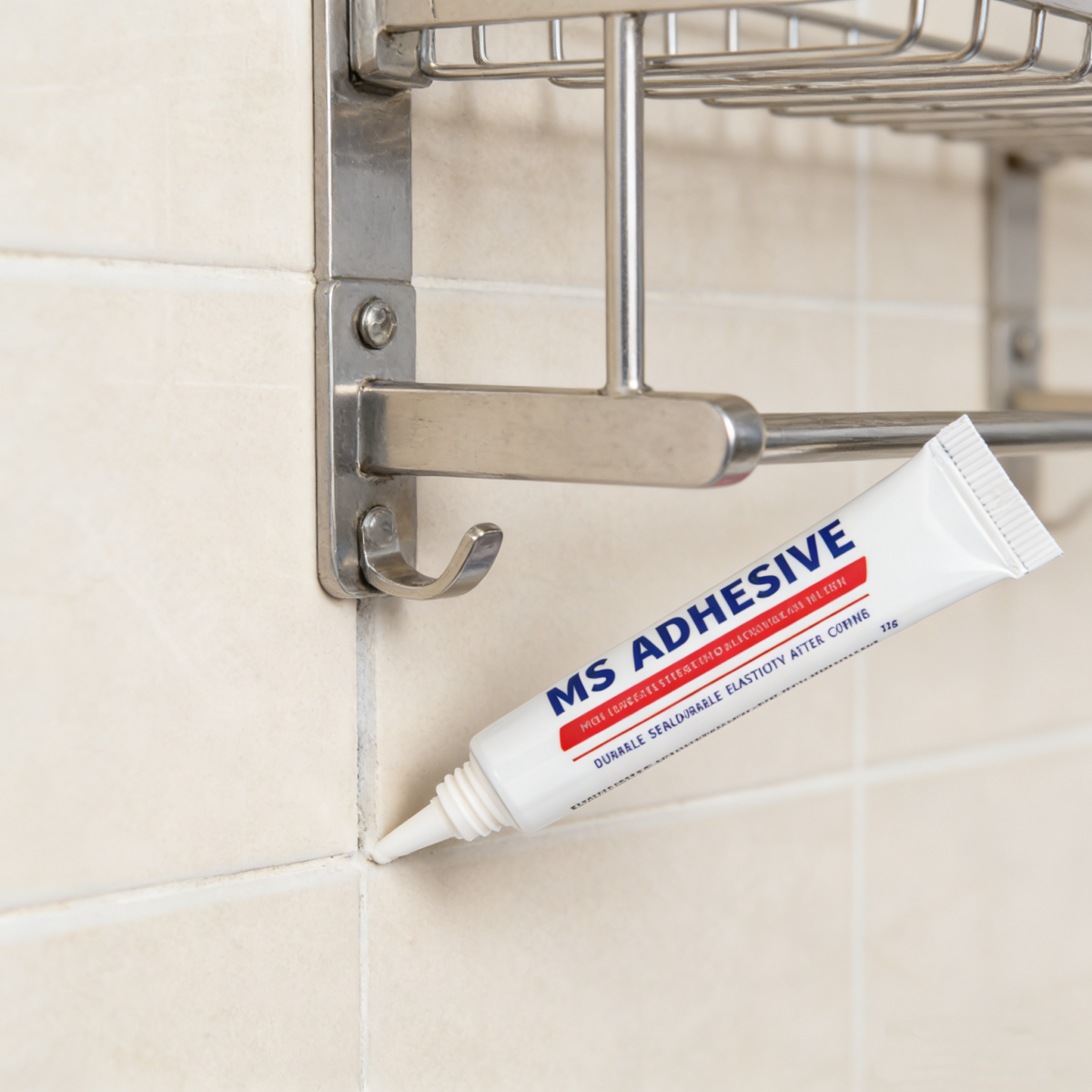
No Nails Glue All Purpose (no more nails or liquid nails) is a high-strength, instant-grab construction adhesive that can directly replace screws and nails. It requires no drilling and does not damage walls, making it perfect for installation scenarios where nails cannot be used due to weight-bearing, material restrictions, or aesthetic needs.
Features
Adhesive Type | Construction Adhesive |
Brands | Hopson® or OEM Brand |
Container Size | 12g |
Application Method | Manual extrusion |
Full Cure Time | 48 hr |
Indoor/Outdoor | Both |
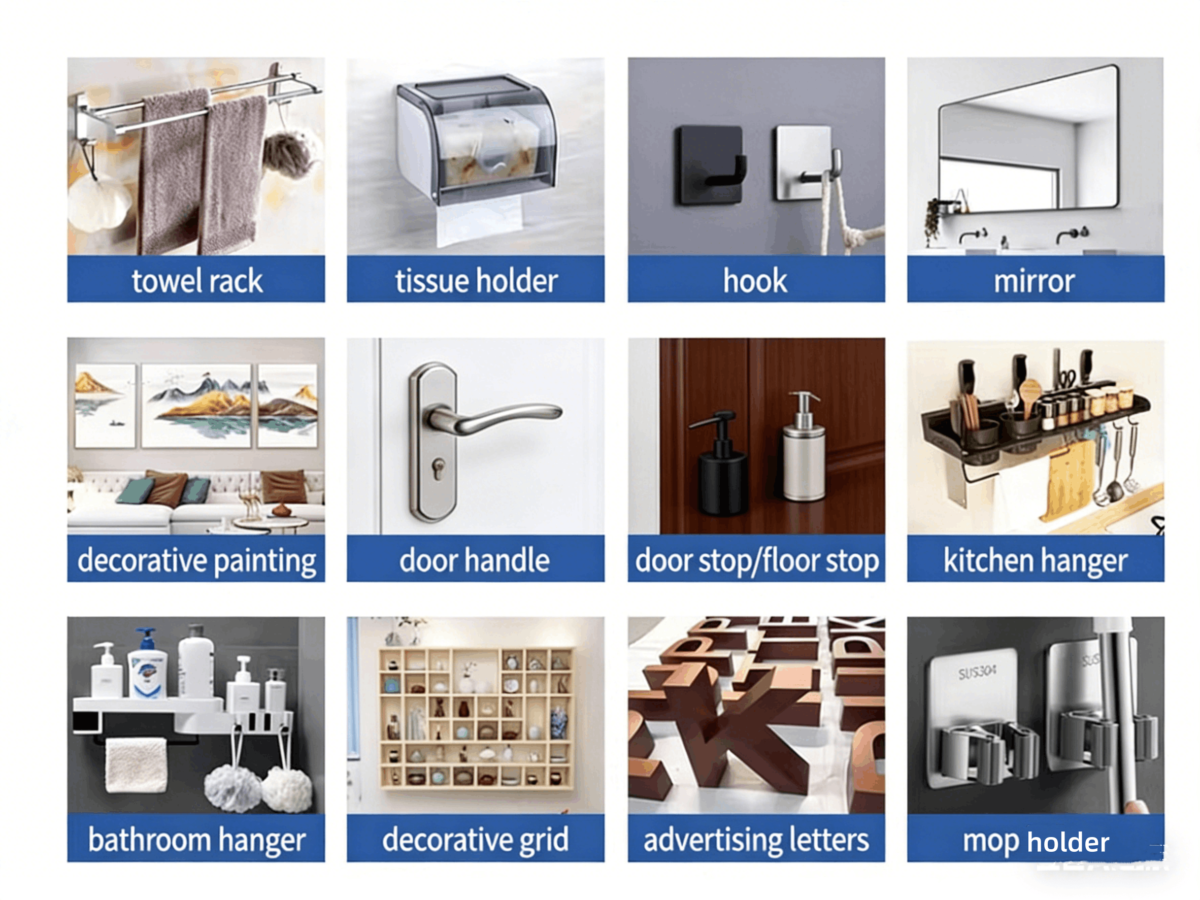
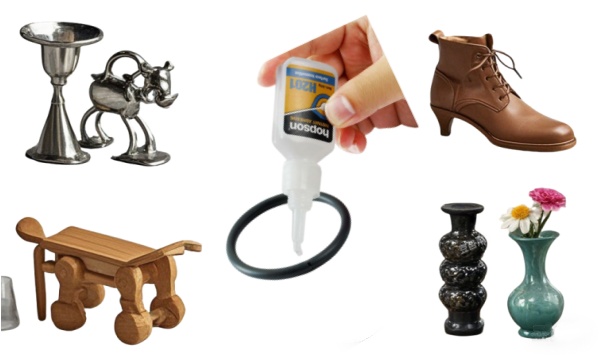
Uses | Used for bonding metal, stone, wood, glass, and other architectural decoration materials, such as kitchen, bathroom hardware accessories, towel rack, tissue box, bathroom installation garage rack, photo wall, brushed window, skirting board, floor pressure bar, wood floor glass products, etc. |
These liquid nails are widely compatible with various indoor materials, such as wood, metal, concrete, bricks, ceramics, tiles, stone, plastic, and gypsum.
It can be used for the secure installation of heavy items like baseboards, shelves, decorative panels, and various hangings, combining four major functions: adhesion, gap filling, sealing, and waterproofing.
There are several effective methods to remove No Nails Glue. The appropriate removal method depends on the adhesive condition (uncured or fully cured), the bonding materials, and the specific application scenario. Choosing the correct ways can ensure safe removal while minimizing damage to the substrate.
If the edges of the glue are loose or not fully cured, use a plastic scraper or an old credit card to gradually pry it off from the edges, avoiding the use of metal tools to prevent scratching the surface.
When the colloid has cured, you can first use a hairdryer or heat gun (with a temperature above 140°F, suitable for heat-resistant surfaces) to heat the colloid for 2-3 minutes, scraping it off with a plastic scraper while heating, or apply a cloth soaked in 75% medical alcohol for 10 minutes to soften it and then peel it off.
For heavy items like mirrors and large shelves, you can lightly tap the edges with a rubber mallet to vibrate and damage the adhesive layer, or use fine steel wire to saw through the adhesive layer from the back and pry it off. If necessary, use a hammer and pry bar for gentle mechanical removal to avoid damaging the drywall.
When removing residual adhesive stains, soak a small area with white vinegar or lemon juice to soften it before scraping it off.
For stubborn residues, apply mineral oil or petroleum jelly and let it sit for a few hours.
Be cautious when using turpentine or oil balm on wood or plastic surfaces; apply and let it sit for 5-10 minutes before removing.
When operating, it is necessary to do so in a well-ventilated area, wearing safety goggles and gloves to avoid solvent irritation to the skin.